Bird Removal & Vent Exclusion Services – Guilford County and surrounding areas
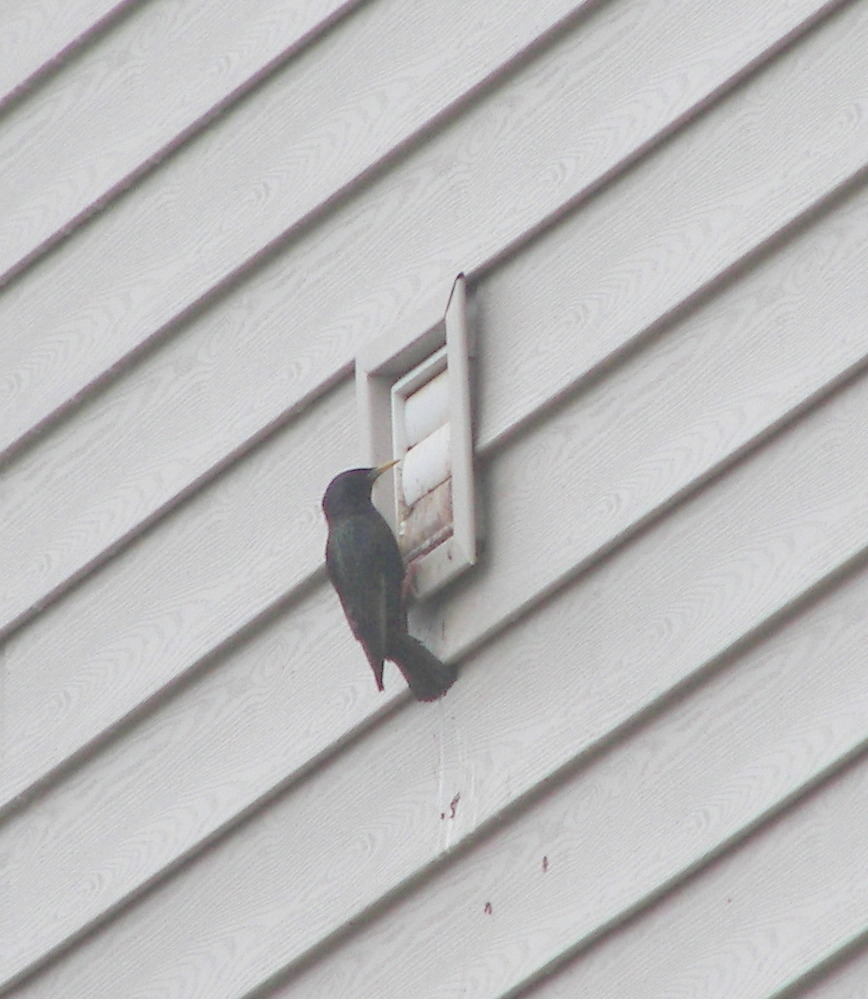
Is your bathroom exhaust fan not working properly, or do you hear fluttering, chirping, or scratching inside the vents? Birds—especially invasive European starlings—frequently nest in bathroom exhaust vents, dryer ducts, and other small exterior openings around homes and businesses. These clever birds stuff vents with twigs, leaves, feathers, and debris, completely blocking airflow and creating hidden dangers.
At WildlifEviction, we provide humane, effective bird nest removal, vent cleaning, mite treatment, and permanent exclusion to eliminate the problem and protect your home from fire risks, health issues, and costly repairs. Don’t ignore those sounds—address them before they become a major hazard.
Call today! Our licensed team serves Guilford, Rockingham, Forsyth, and Alamance Counties with quick, professional response.
Common Signs of Birds in Your Vents
European starlings and other species (like house sparrows) target vents for nesting:
- Reduced or no airflow from bathroom exhaust fans (leading to moisture buildup and mold).
- Fluttering, chirping, scratching, or tapping noises from inside vents—often more noticeable in spring/summer breeding seasons.
- Visible debris around exterior vent covers, blocked dryer exhaust (longer drying times, overheating), or bird droppings near vents.
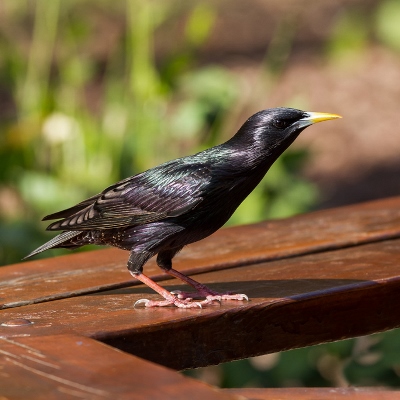
- Other clues: Starlings entering/exiting vents at dawn/dusk or sightings of these iridescent, stocky birds (about 8–9 inches long, with yellow beaks in breeding season) on your roof or nearby.
If your dryer takes forever to dry clothes or your bathroom feels stuffy, a bird nest is a likely culprit.
Serious Risks from Birds Nesting in Vents
Blocked vents create immediate and escalating problems:
- Fire Hazards: Dryer ducts clogged with nests and lint drastically restrict airflow, causing dryers to overheat—leading to potential fires (a leading cause of home dryer fires).
- Moisture & Mold Issues: Bathroom exhaust vents blocked by nests trap steam and humidity, promoting mold growth and poor indoor air quality.
- Health Concerns: Starlings often carry bird mites, which can migrate into your home after removal if not treated—causing itchy bites and discomfort. Droppings and debris also introduce bacteria and allergens.
- Property Damage: Nests damage ductwork, fan motors, and vents over time, leading to expensive replacements.
These issues are common in North Carolina, where starlings thrive in suburban areas.
Our Humane Bird Removal & Exclusion Process
WildlifeEviction uses state-approved, humane methods in compliance with North Carolina Wildlife Resources Commission regulations (European starlings are invasive and unprotected, allowing safe removal). We prioritize safety and prevention.
- Inspection & Nest Removal: Locate nests in vents/ducts and safely extract debris without harming birds where possible.
- Vent & Duct Cleaning: Clear blockages to restore proper airflow and prevent overheating.
- Professional Exclusion: Install durable, bird-proof vent covers, mesh guards, and seals on exterior openings to stop re-entry.
We deliver a complete solution: birds removed, vents clear, risks eliminated, and your home protected long-term.
Don’t risk fire, mites, or mold—act now to safeguard your home. Contact WildlifeEviction today for bird removal, vent exclusion, and mite treatment.